
El xoloescuintle y su papel en la cultura mexicana
The Xoloescuintle and Its Role in Mexican Culture
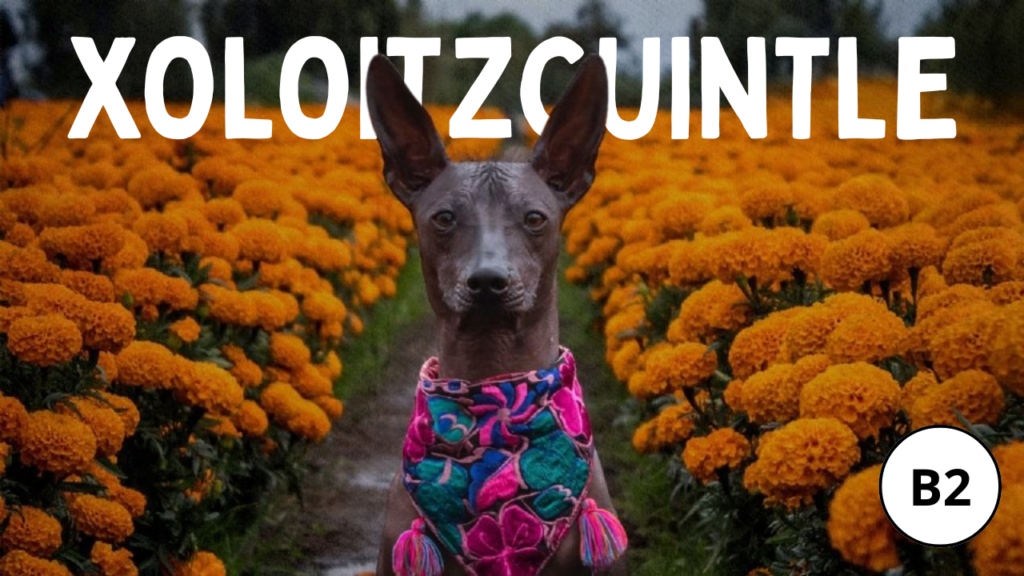
El xoloescuintle, o xolo, es un perro originario de México que ha acompañado a la humanidad durante miles de años.
The xoloescuintle, or xolo, is a dog native to Mexico that has accompanied humanity for thousands of years.
Desde la época prehispánica, culturas como los mexicas y los toltecas consideraban a este animal sagrado.
Since pre-Hispanic times, cultures such as the Mexicas and the Toltecs considered this animal sacred.
Según sus creencias, los xolos podían guiar a las almas de los muertos a través del Mictlán, el inframundo, protegiéndolas de peligros y ayudándolas a llegar a su destino final.
According to their beliefs, xolos could guide the souls of the dead through the Mictlán, the underworld, protecting them from dangers and helping them reach their final destination.
Por esta razón, a menudo se enterraba a los xolos junto a sus dueños o se les ofrecían rituales especiales, asegurando que los difuntos tuvieran compañía y protección en su viaje espiritual.
For this reason, xolos were often buried with their owners or offered special rituals, ensuring that the deceased had company and protection on their spiritual journey.
Además de su importancia religiosa, el xoloescuintle también se destacaba por sus cualidades físicas y su compañía.
In addition to its religious importance, the xoloescuintle also stood out for its physical qualities and companionship.
Su piel sin pelo, característica principal de la raza, lo hacía resistente a ciertos climas y, al mismo tiempo, le daba un aspecto único.
Its hairless skin, the main characteristic of the breed, made it resistant to certain climates and, at the same time, gave it a unique appearance.
Estas características, junto con su inteligencia y lealtad, lo convirtieron en un animal muy valorado.
These characteristics, together with its intelligence and loyalty, made it a highly valued animal.
Hoy en día, el xoloescuintle sigue siendo un símbolo cultural de México y es apreciado tanto dentro como fuera del país.
Today, the xoloescuintle continues to be a cultural symbol of Mexico and is appreciated both inside and outside the country.
Aunque ya no se le considera un guía del Mictlán, conserva su reputación de perro leal, protector y cariñoso.
Although it is no longer considered a guide of the Mictlán, it retains its reputation as a loyal, protective, and affectionate dog.
Es ideal para familias que buscan un compañero activo y afectuoso, y su historia milenaria le otorga un valor especial que va más allá de su apariencia física.
It is ideal for families looking for an active and affectionate companion, and its millennia-old history gives it a special value that goes beyond its physical appearance.
En conclusión, el xoloescuintle no solo es un perro mexicano singular por su aspecto y comportamiento, sino también un puente entre la historia y la actualidad, recordándonos la profunda conexión entre los animales, la cultura y la espiritualidad en México.
In conclusion, the xoloescuintle is not only a unique Mexican dog because of its appearance and behavior, but also a bridge between history and the present, reminding us of the deep connection between animals, culture, and spirituality in Mexico.
Spanish Key Vocabulary
- sagrado – sacred
- inframundo – underworld
- guiar – to guide
- alma – soul
- ritual – ritual
- cualidades – qualities
- lealtad – loyalty
- símbolo cultural – cultural symbol
- milenario – ancient
- puente – bridge (figurative meaning)
- proteger – to protect
- destino final – final destination
- apariencia – appearance
- legado – legacy
- acompañar – to accompany
Useful Expressions
- Desde la época prehispánica – since pre-Hispanic times
- Según sus creencias – according to their beliefs
- Por esta razón – for this reason
- Hoy en día – nowadays / today
- Va más allá de – goes beyond
It’s time to practice your Spanish
Now it’s time to practice what you learned from the story.
First, answer the comprehension questions to check how well you understood the story.
Then, practice your Spanish by answering a question based on the story.
Part 1
Comprehension Practice
¿Qué se puede inferir sobre la relación entre el xoloescuintle y las creencias prehispánicas?
¿Cuál es la idea principal del segundo párrafo del texto?
Cuando el texto afirma que el xoloescuintle es un “símbolo cultural”, significa que:
¿Cuál es el contraste principal entre el pasado y el presente del xoloescuintle?
¿Qué intención tiene el autor al describir al xoloescuintle como “un puente entre la historia y la actualidad”?
Click the button to review your answers.
Part 2
Writing Practice
Write your answer to the question in the comments. Don’t worry about being perfect… just try!
You can also read other students’ answers, join the conversation, and practice together.
Answer the question (in Spanish) in the comments:
¿Crees que las creencias antiguas sobre el xoloescuintle eran importantes para las culturas prehispánicas?
¿Piensas que este perro tenía un papel especial en su visión del mundo o que era solo un símbolo cultural?
¿Crees que hoy en día es importante conservar este tipo de tradiciones o deberían adaptarse a la vida moderna?
¿Qué harías tú y por qué?
Do you think ancient beliefs about the xoloescuintle were important for pre-Hispanic cultures?
Do you think this dog had a special role in their worldview or was it just a cultural symbol?
Do you think it is important to preserve these traditions today, or should they adapt to modern life?
What would you do and why?
Try to write a clear and well-organized answer with at least 8–10 sentences.
Include opinions, arguments, and examples to support your ideas.